




Rocket and Space Corporation (RSC) Energia, the leading Russian enterprise in the field of manned space exploration, is on the verge of collapse, according to reporting in the Russian press.
A 26 August report by Russian news outlet Gazeta.Ru quoted an internal memo by RSC Energia CEO Igor Maltsev, posted on the occasion of the enterprise’s 79th anniversary, in which he predicted its probable closure.
Describing the situation as critical, Maltsev referred to “multimillion-dollar debts”, adding that “interest on loans are ‘eating up’ the budget, many processes are ineffective [and that] a significant part of the team has lost motivation and a sense of shared responsibility”.
In his memo Maltsev wrote that “all major projects … have missed deadlines” and called on colleagues to stop “lying to themselves and others” about the true state of affairs and to start “fighting for the enterprise”.
He did rule out “closing the corporation” due to “the inability to function normally” and pay salaries. He called for “discipline” and “co-ordinated action.” from all employees, but admitted that “pulling the company out is a task beyond the realm of miracles”.
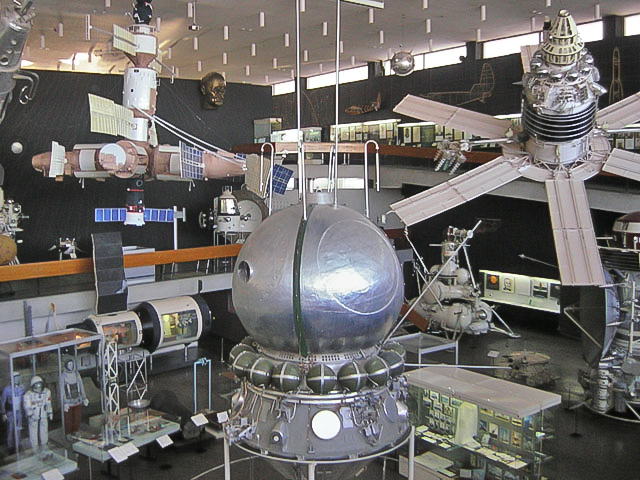
Founded in 1946 under the leadership of Sergei Pavlovich Korolev, RSC Energia developed the first Soviet ballistic missiles, as well as the Sputnik, Vostok, Voskhod, Luna, Molniya and Soyuz family of space vehicles.
However, a crisis in the Russian space industry has been worsened as a consequence of the Ukraine War, with Russia’s state corporation for space activities, Roscosmos, which comes under RSC Energia, becoming subject to international sanctions and losing almost all of its foreign customers.
A 27 August report by The Moscow Times stated that RSC Energia has accumulated RUB 10.5 billion (EUR 110 million) in net losses over the past 10 years and that the company’s total debt as of 30 June 2025 was RUB 168.4 billion.
According to data for 2024 from the website payloadspace.com, Russia made just 17 orbital launch attempts that year, compared to 145 for the United States and 68 for China.