


Navantia has hosted the sixth and final General Assembly of the European Digital Naval Foundation (EDINAF) project: a strategic initiative funded by the European Defence Fund (EDF) that has defined the digital architecture to be integrated into future European naval vessels.
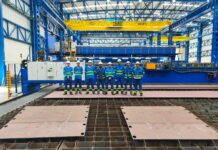
The three-day meeting concluded on 27 November 2025 at Navantia’s COEX Digital Twin facilities in Ferrol in northwestern Spain: a centre of excellence dedicated to designing digital twins and part of the COEX Network that drives Navantia’s innovation strategy.
The event brought together technology specialists from European defence companies and multilateral organisations, including Naval Group, Fincantieri, Damen, Saab, Kongsberg, Thales, Leonardo, Indra and AERTEC. Delegates from the European Commission, academia and institutional authorities also attended, as well as 15 representatives from the seven European navies involved in the project.
The General Assembly marked the culmination of three years of collaborative work to define an integrated digital platform that enhances naval interoperability, automation and NATO-standard compliance while reducing costs and shipborne crew requirements.
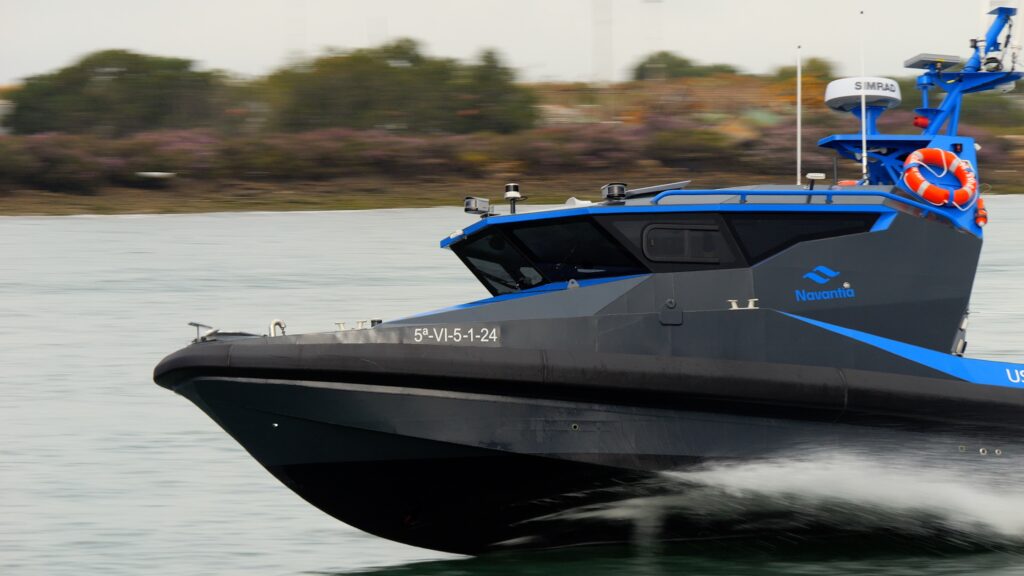
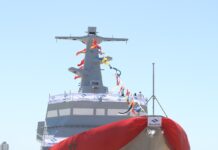
During the meeting a technical demonstration showcased how a digital vessel connected with its naval base through onboard and shore platforms to carry out a real mission. The exercise involved planning the operation and deploying the unmanned surface vehicle (USV) Poniente to inspect a suspicious vessel in the Ferrol estuary, integrating sensors, combat systems and logistics solutions in real time. Simultaneously, the platform was subjected to a cyber attack that tested the resilience of the operation and its ability to recover from critical failures. The objective was to assess how the digital architecture supports decision making, anticipates risks and optimises resources in evolving asymmetric scenarios.
EDINAF is one of the EDF’s most ambitious. Led by Navantia, it brings together 31 partners from eight countries: Spain, Belgium, France, Germany, Italy, the Netherlands, Sweden and Norway, with guidance from seven European ministries of defence.
The project focuses on interoperability among European systems to ensure seamless operation without technological friction, cyber security measures against increasingly sophisticated threats, and connectivity with the naval combat cloud: a cornerstone for collaborative defence.
The meeting also outlined the next steps to consolidate the digital architecture, enabling future European frigates, corvettes, submarines and auxiliary vessels to share a common technological framework that reduces costs and development times, enhances sector competitiveness and strengthens European strategic sovereignty.
“EDINAF represents a technological leap for European naval defence,” Ana Moya, Navantia’s director of technology and digital transformation, was quoted as saying in a Navantia press release. “This digital architecture will enable the progressive integration of advanced capabilities, ensure operational resilience even in critical scenarios, and accelerate collaboration among allies to strengthen European strategic sovereignty.”
The Assembly concluded with the presentation of the roadmap to implement the project’s findings and set milestones for 2026.