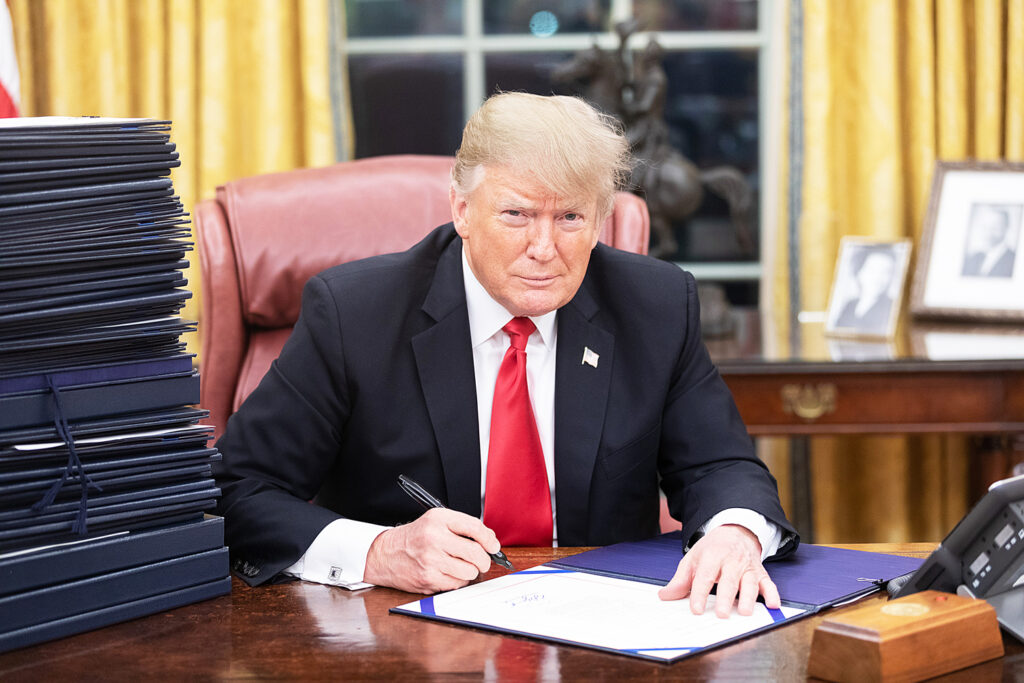



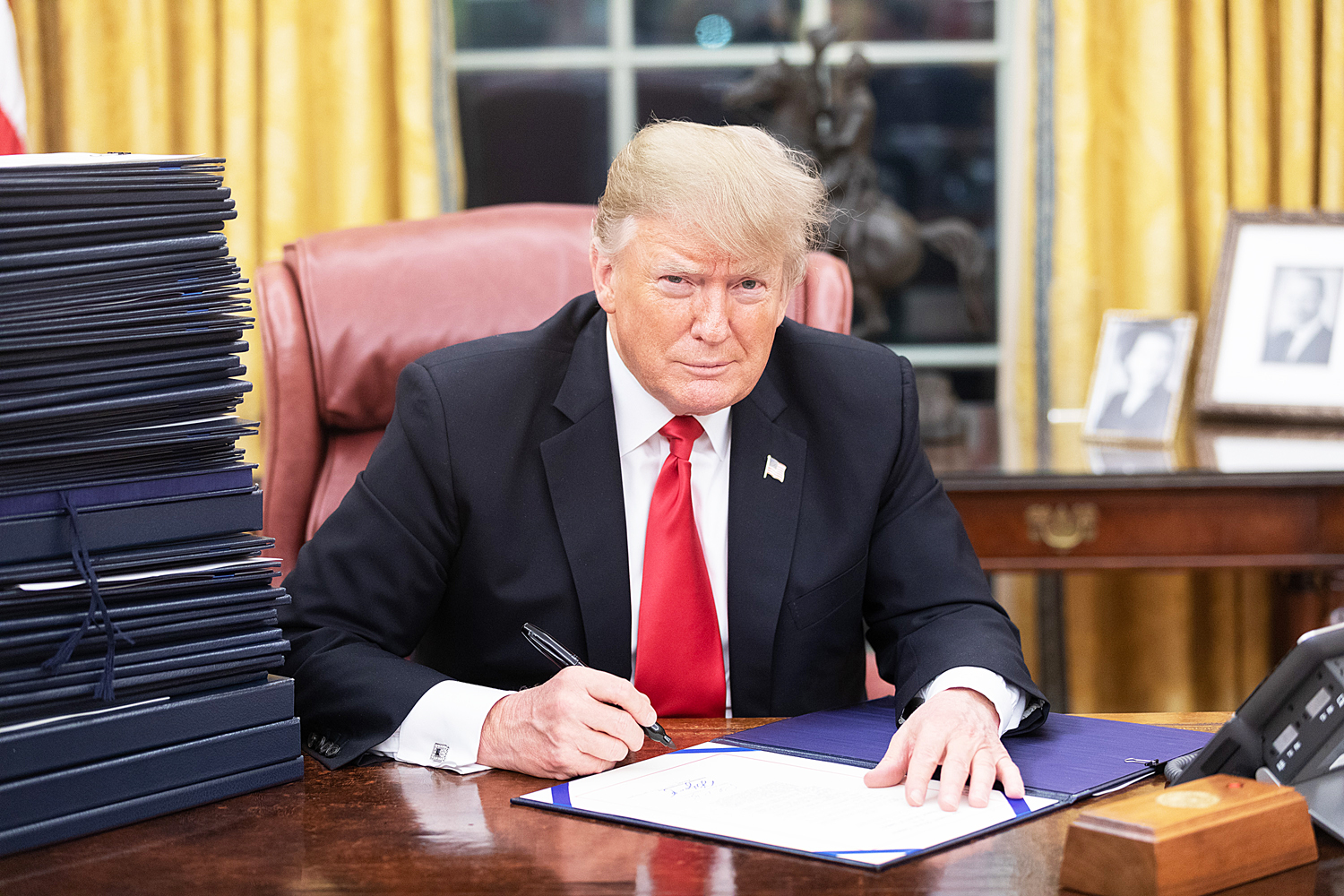

Writing on his Truth Social media channel on 7 January 2026, US President Donald Trump called for the US defence budget to be increased by an unprecedented 50% to USD 1.5 trillion (EUR 1.29 trillion) in 2027. This is the result of discussions with senators, members of Congress, secretaries of state and other political representatives. Trumps says he wants to use this to build his ‘dream military’ and achieve full security and protection from US adversaries.
Customs revenue for financing
Trump wants to finance the additional expenditure from the customs revenues he collects from countries that, in his words, “have taken advantage of the United States to an unprecedented extent in the past”. The president says he wants to build up unprecedented military power, reduce debt and pay moderate dividends “to middle-income patriots in our country”.
Consequences for industry and allies
In Germany the increase in the defence budget from EUR 50 billion to EUR 82.5 billion since 2022 is posing problems for the administration and industry in terms of quickly putting the additional funds to work to equip the troops. It will therefore be interesting to see whether the United States can invest so much money in capability enhancements in such a short period of time. The US defence industry is already working at full capacity. There are long waiting times for urgently needed systems such as fighter jets and air defence systems.
Contracts for deliveries in 2027 would have to be concluded in the next few months. Will there then be enough left to supply NATO partners and other allies?
ESD News Editor Peter Felstead writes:
A major issue with Trump’s plan to massively increase US defence spending is that it assumes there will be a significant windfall from his imposition of swingeing tariffs on US imports, the assumption being that countries and companies exporting to the US will pay heavily for access to the US market. The evidence so far, however, suggests that this is far from the case. Moreover, the US Supreme Court could yet determine that Trump’s use of emergency powers to impose his ‘Liberation Day’ tariffs on 2 April 2025 was illegal and repeal them.
The US trade deficit did, in fact, narrow to USD 29.4 billion in October – the lowest level since June 2009 – and this could be a result of Trump’s tariffs. However, according to US investment bank and financial services company Goldman Sachs, US companies and consumers paid 82% of the tariffs in October 2025. Goldman Sachs projected that this figure will still be 75% by July 2026, meaning that, contrary to what Trump has implied, foreign exporters are not absorbing the cost increases resulting from the tariffs; US companies and consumers are.
This situation is coinciding with a reduction in US manufacturing activity and a weakening US labour market, leading to a combination of factors that could significantly impede US economic growth.
Meanwhile, US lawmakers have yet to complete a defence spending bill for the next fiscal year, although any final agreement on this is expected to increase the US defence budget by several billion dollars.