


Curtis Hand

Romania quickly became a European industrial production destination for innovative defence suppliers from within and without Europe.
Aside from geographic and financial advantages, Romania’s highly educated and dedicated skilled workforce allows European security- and defence-focused operations to realise improved economies of scale and further capitalise on their existing and recently developed technologies. This strengthens Europe’s supply chain and production base at a time when defence-industrial capacity and sustainment are vulnerable.
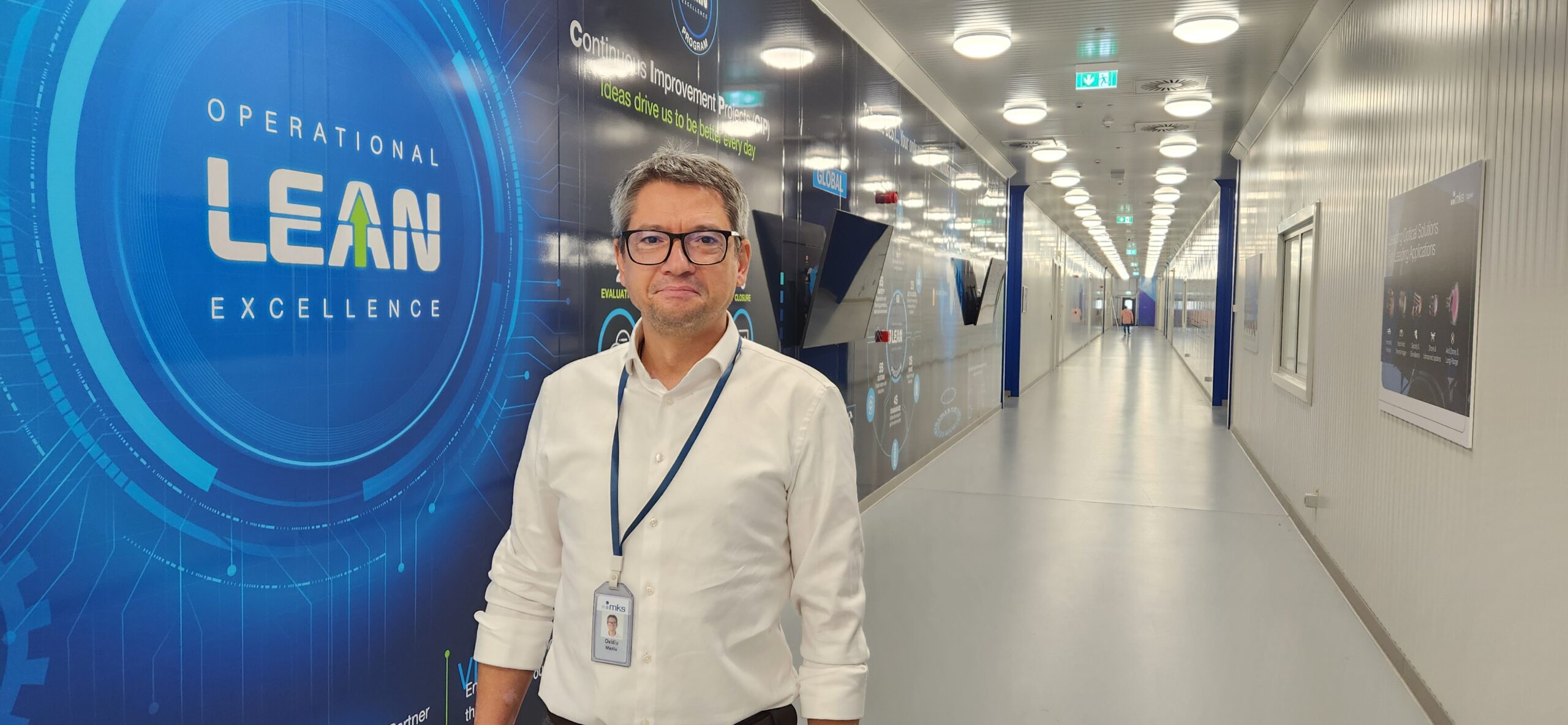
ESD’s Curtis Hand caught up with Ovidiu Mazilu, head of the Romanian operation for leading electro-optics company Ophir Optronics Solutions (an MKS Instruments business) and spoke with him about the company’s experience.
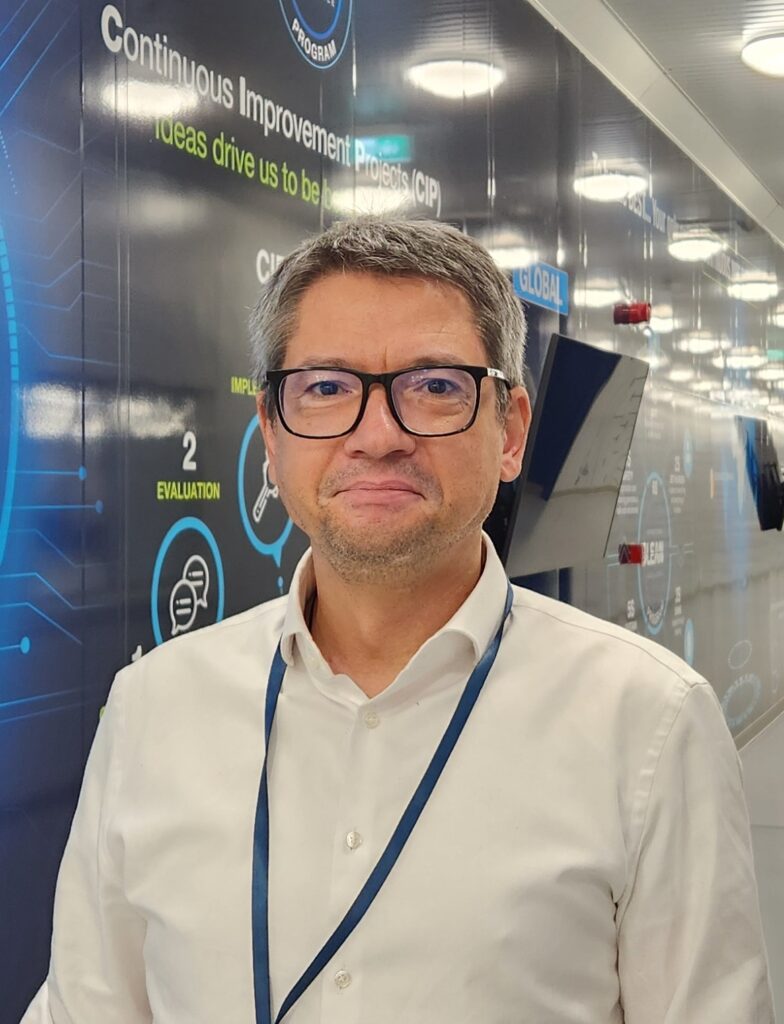
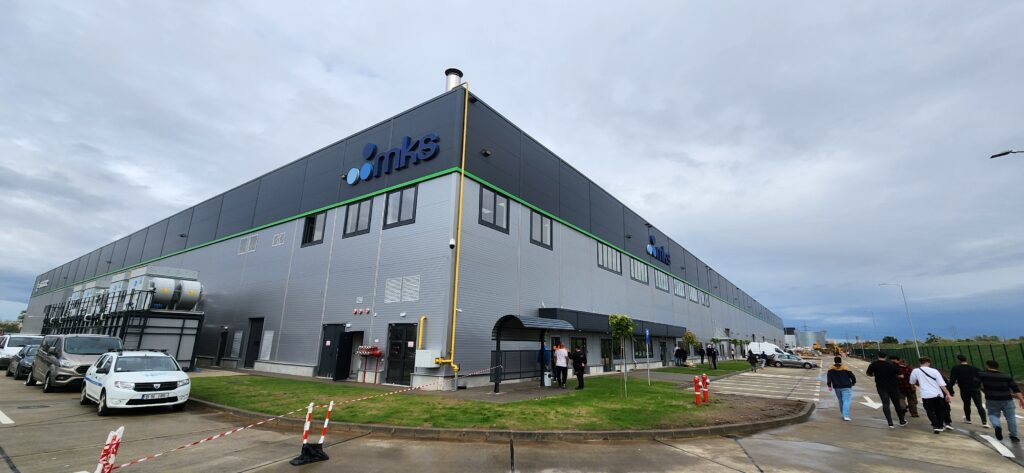
Mazilu: Over the past year the expansion of our Bucharest site has significantly strengthened our ability to support defence and security programmes across Europe.
By more than doubling our production space and expanding advanced processing and metrology capabilities of infrared optics, we can now handle larger, more complex projects with higher precision and faster turnaround.
The new cleanroom facilities and high-end technologies have also raised our quality standards even further, ensuring reliability from prototype to high-volume production. For our customers this means greater scalability, shorter lead times and confidence that their requirements can be met consistently.
ESD: What have been the challenges/growing pains and how were they solved?
Mazilu: Any large-scale relocation and expansion bring challenges, particularly around maintaining continuity of supply. Our priority was ensuring there was no disruption to customer programmes. We addressed this through careful planning: building up safety stock, phasing the move, and keeping close communication with partners throughout the process.
Another challenge is talent acquisition. Expanding into a larger, more advanced site meant a heavy hiring phase, especially for engineering positions.
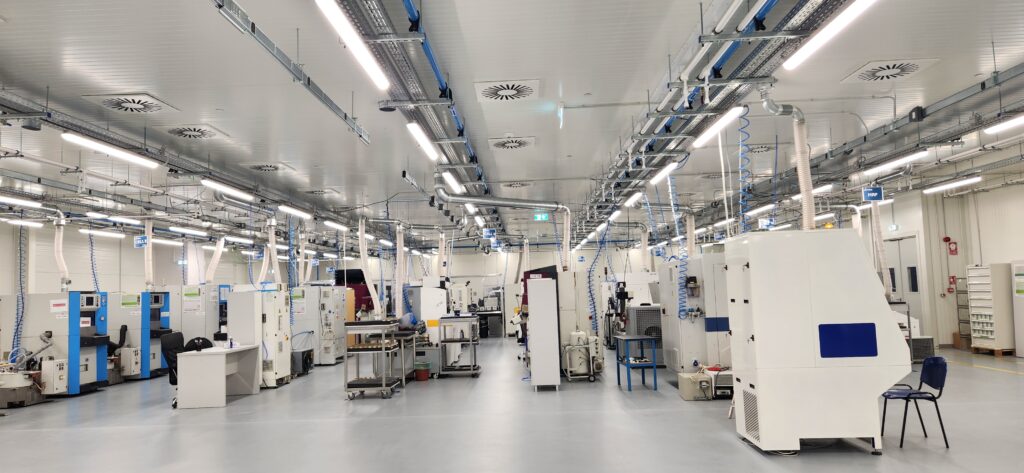
Combined with ongoing investment in training and the site’s rigorous quality assurance processes, this has positioned us well to meet customer demands with both scale and quality.
ESD: When looking over customer requirements, how have they changed over the past year and how were they addressed?
Mazilu: We’ve seen two clear trends: first, growing demand for more complex, integrated optical components and assemblies; second, demand for higher volumes — customers expect scalable supply without compromising on quality.
Our expanded site was designed with scalability in mind, and our advanced optics manufacturing and opto-mechanical assembly capabilities — including CNC polishing, diamond turning, thin film coating, precision lens assemblies and advanced metrology — enable us to deliver superior accuracy and performance while meeting the most demanding projects at greater scale.
Equally important, our strict quality assurance processes ensure that every product meets the highest defence and security standards. From design to delivery, our production cycle includes rigorous material control, in-process testing, operator inspections and final inspections.
The site is certified to AS9100 Rev D and ISO 9001:2015 and complies with key US and European military standards. Our facility is regularly audited by defence OEMs from EMEA and North America, and consistently demonstrates full conformance to the standards and the specific customer expectations.
ESD: What is the prognosis for the coming three to five years?
Mazilu: Looking ahead, we see continued growth and increasing importance of our MKS Bucharest site within the EMEA and North American defence and security markets. Regional customers are placing higher value on secure supply chains, local support and proven scalability – all areas where our facility is uniquely positioned to deliver.
Quality assurance will remain central to this. With AS9100 and ISO certifications, strict in-process and final testing, and a strong track record of passing audits from leading defence OEMs worldwide, we are confident in our ability to support future requirements with reliability and trust.
Over the next three to five years, we expect to expand both capacity and capability further, including exploring new areas of optical technology integration. With our strong team, state-of-the-art facility and close alignment to customer needs, we are confident that MKS will continue to play a vital role in advancing Europe’s defence ecosystem.
ESD: Thank you, sir, for your time and significant insights.